Hey there, fellow horror enthusiasts! 👋 As someone who's spent countless nights immersed in spine-chilling adventures, I've always been fascinated by how Japanese culture weaves its rich tapestry of urban legends and mythology into gaming experiences. From the long-haired girl of The Ring fame to terrifying yōkai like Aka Manto and Kuchisake-onna, Japan's supernatural landscape has become a cornerstone of horror gaming. These stories, many rooted in Edo period folklore, create an atmosphere of dread that's uniquely compelling. In 2026, we're fortunate to have an incredible selection of titles that transport us directly into these terrifying narratives, blending traditional ghost stories with modern gameplay mechanics. Let me share with you my personal journey through some of the most haunting Japanese horror games available today.
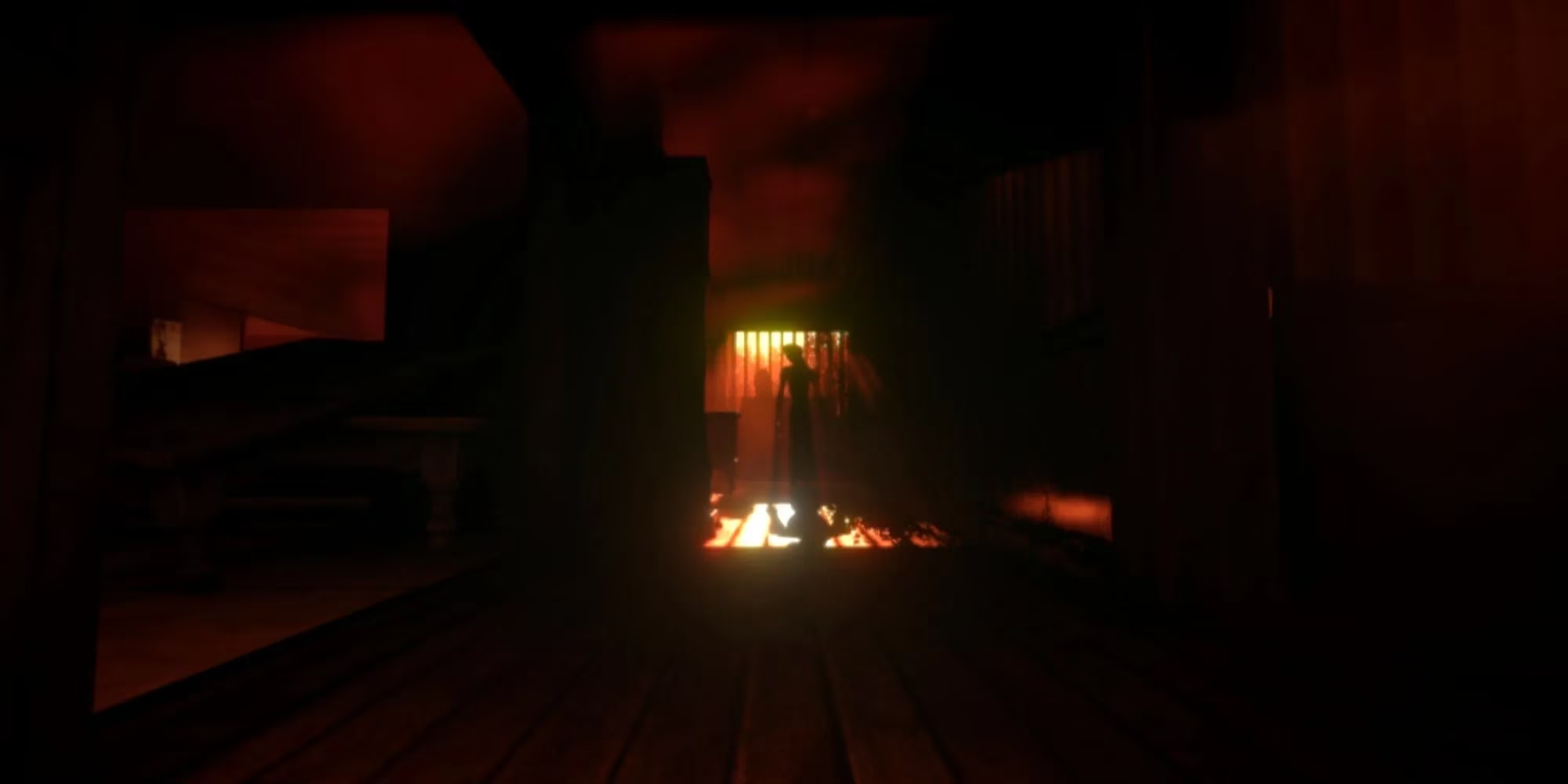
First on my list is Yuoni, a game that perfectly captures the essence of Japanese urban legends. I remember playing this first-person hide-and-seek horror title back in 2021, and it still gives me chills! You step into the shoes of 10-year-old Ai, who must perform a ritual in an abandoned hospital to summon Tsun—a boy who died waiting for his friends. The gameplay revolves around avoiding deaf and blind spirits while completing the ritual with a doll. What makes this experience so memorable isn't just the repetitive tension (which can be brutally challenging), but the compelling narrative about childhood promises and supernatural consequences. The atmosphere is thick with dread, making every creaking floorboard feel like a death sentence.
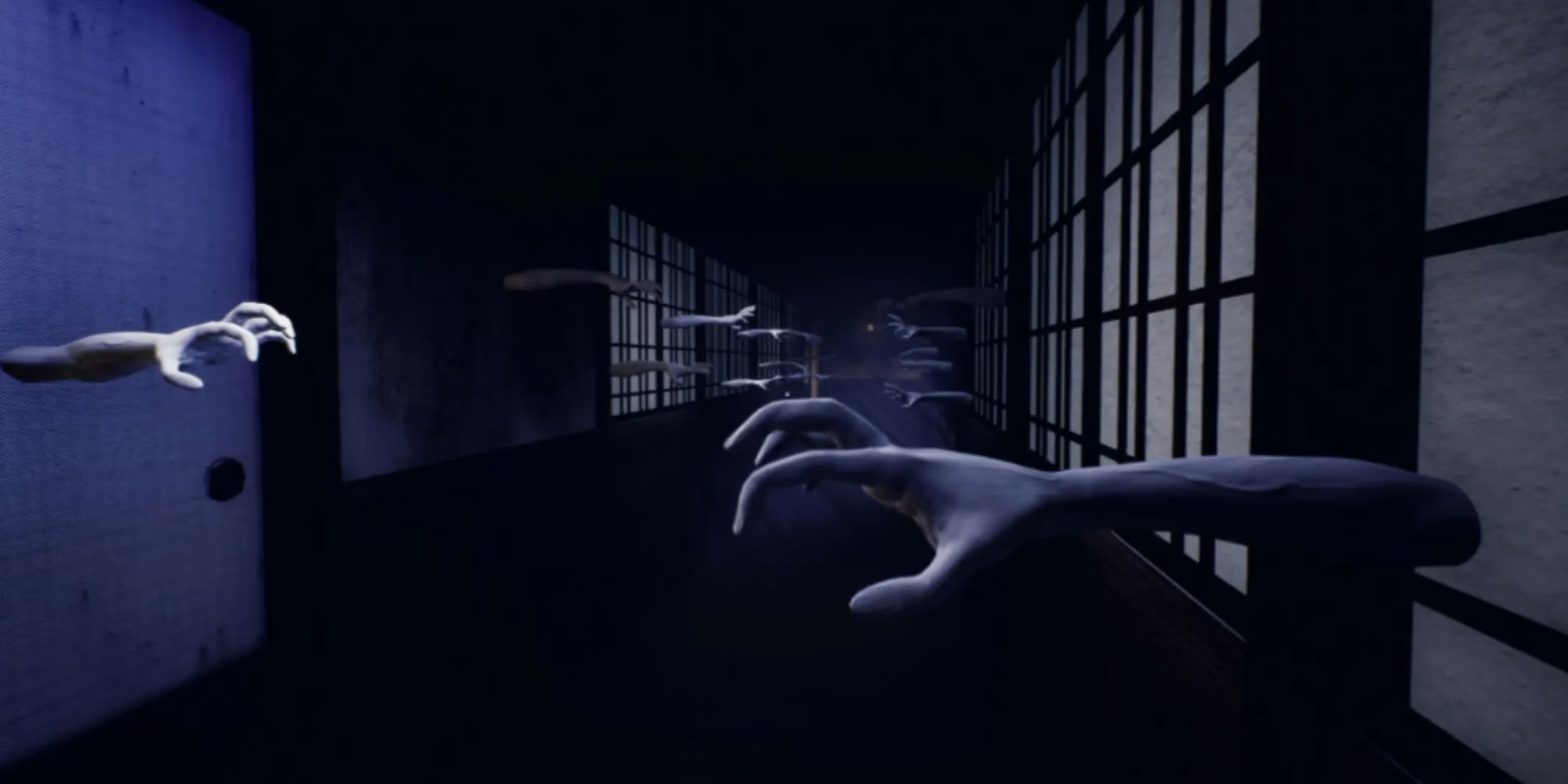
Next up is Ikai, a survival horror masterpiece set in rural Japan. As priestess Naoko, you're tasked with protecting your uncle's shrine after accidentally opening a door to the underworld. What I love about this game is how authentically it incorporates established yōkai lore. You can't fight these supernatural entities directly—instead, you must use clever mechanics like writing seals and solving intricate puzzles. The unfolding plot is genuinely touching, blending personal responsibility with cosmic horror. The sound design alone deserves awards, with every whisper and rustle keeping you on edge throughout the entire experience.
🎮 Essential Japanese Horror Game Mechanics
After playing through numerous titles, I've noticed several recurring gameplay elements that define Japanese horror:
-
Avoidance Over Combat: Many games emphasize evasion rather than direct confrontation
-
Ritualistic Gameplay: Incorporating traditional practices like seal-writing or doll rituals
-
Environmental Storytelling: Discovering narratives through exploration and collectibles
-
Psychological Tension: Building dread through atmosphere rather than jump scares
-
Cultural Authenticity: Faithfully representing yōkai and urban legends
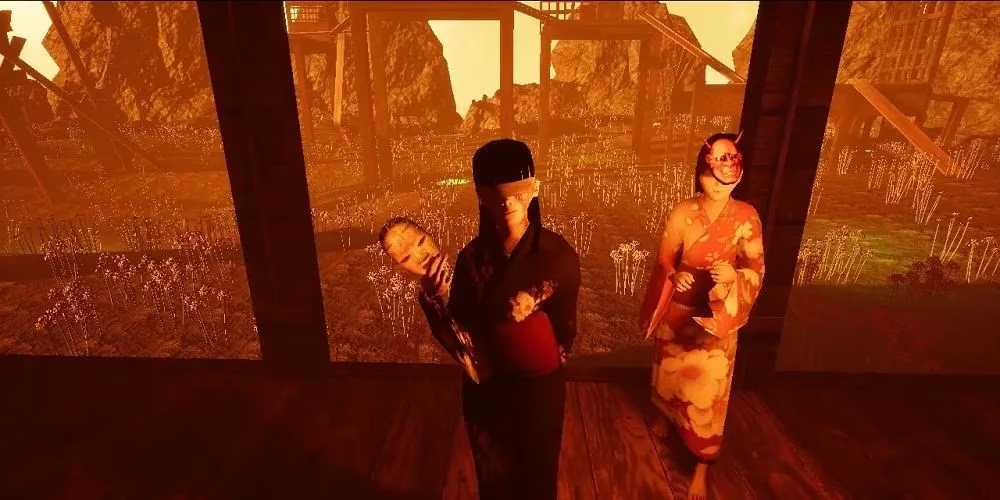
Shadow Corridor takes procedural generation to terrifying new heights. Each playthrough creates a different layout of dark corridors in a Japanese mansion, making every escape attempt feel fresh and unpredictable. As someone who appreciates replay value, I've spent dozens of hours searching for magatama stones while evading spirits that require different strategies each time. The claustrophobic atmosphere is masterfully crafted, with the maze-like environments creating genuine panic as you hear footsteps approaching from unseen directions.
📊 Comparative Analysis of Key Titles
| Game Title | Release Year | Key Feature | Horror Style |
|---|---|---|---|
| Yuoni | 2021 | Hide-and-seek mechanics | Psychological terror |
| Ikai | 2021 | Seal-writing puzzles | Supernatural survival |
| Shadow Corridor | 2019 | Procedural generation | Claustrophobic maze horror |
| Fatal Frame: Mask of the Lunar Eclipse | 2023 | Camera obscura combat | Ghost photography horror |
| Ghostwire: Tokyo | 2022 | Supernatural combat | Action horror |
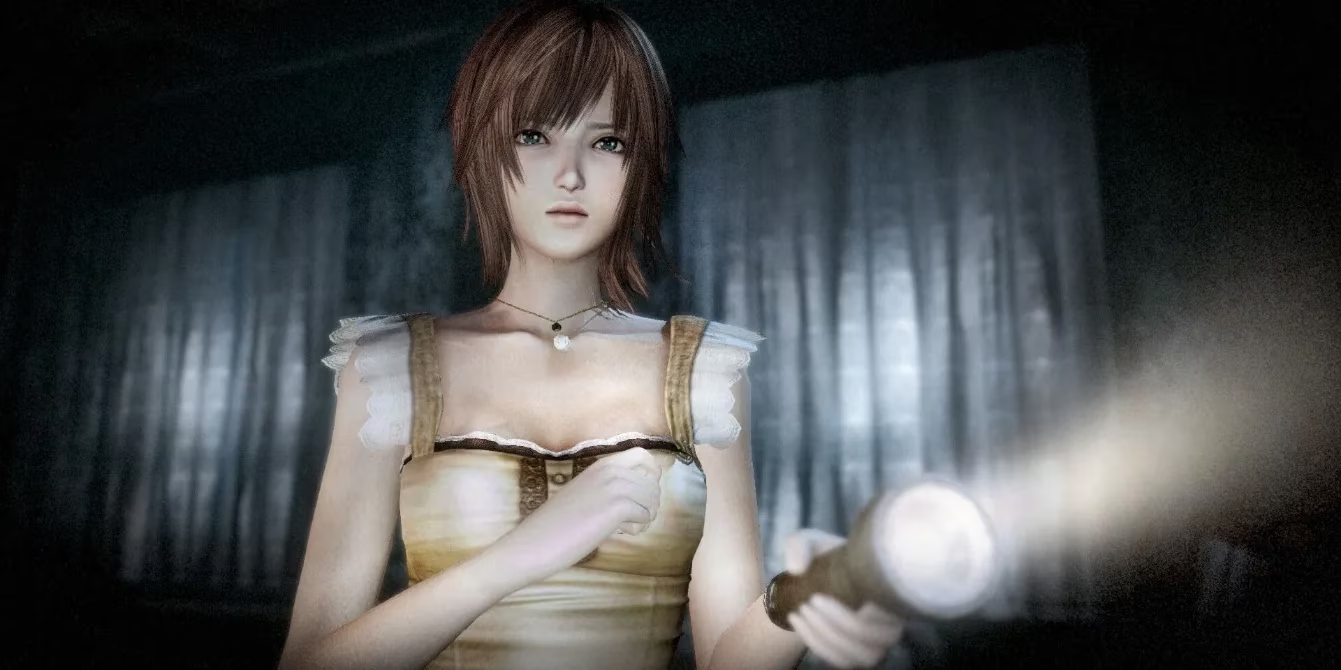
The Fatal Frame series deserves special mention, particularly Mask of the Lunar Eclipse. Set on the haunting Rogetsu Isle, this game follows Ruka as she investigates "Moonlight Syndrome"—a contagious memory-altering condition affecting her and other kidnapping survivors. The camera obscura mechanic remains one of gaming's most innovative combat systems: you literally photograph ghosts to defeat them! Taking shots during attack moments can banish spirits instantly, creating incredibly tense encounters. With multiple endings and a deeply personal story, this title represents Japanese horror at its narrative best.
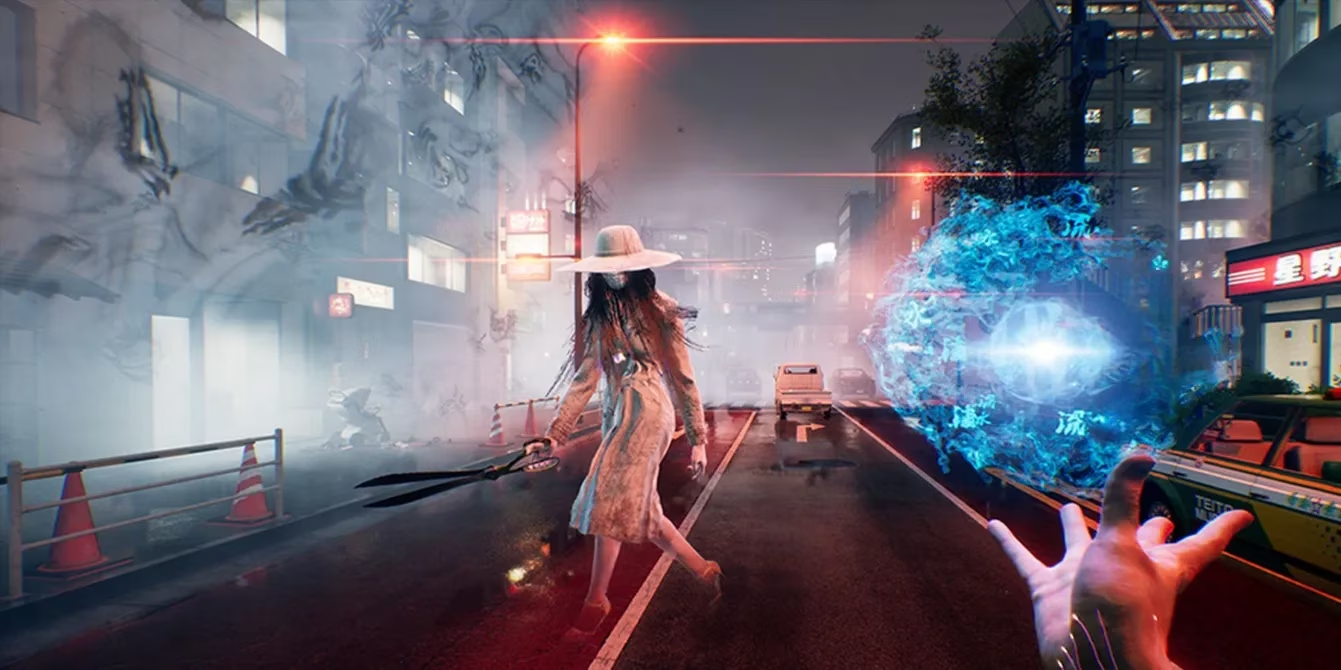
Ghostwire: Tokyo offers a completely different but equally compelling experience. As Akito (partially possessed by spirit KK), you battle through a Tokyo emptied of its residents by occultist Hannya. The combat system—using martial art-like hand gestures for supernatural attacks—feels incredibly fluid and satisfying. What truly impressed me was how the game weaves urban legends into its antagonist designs, creating genuinely disturbing foes that feel authentically Japanese while being fresh and terrifying.
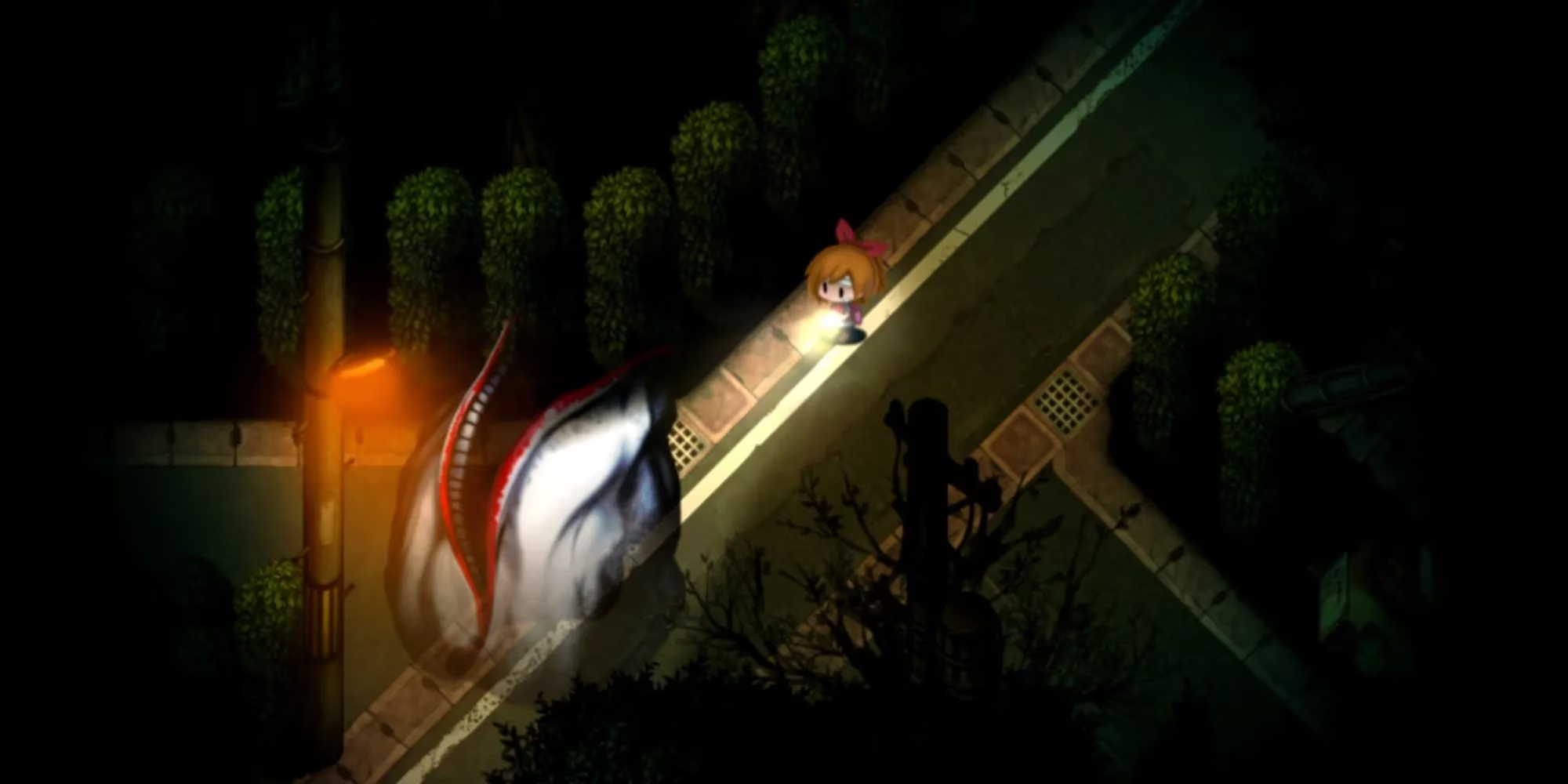
Don't let the adorable art style of Yomawari: Midnight Shadows fool you—this game contains some of the most unsettling horror I've experienced. Controlling two lost girls trying to find their way home, you'll navigate through woods and towns filled with disturbing monsters. The contrast between cute aesthetics and horrific content creates cognitive dissonance that amplifies the terror. The puzzle-solving and sneaking mechanics are perfectly balanced, making every successful evasion feel like a major victory.
🎨 Artistic Approaches to Horror
Japanese horror games employ diverse visual styles:
-
1-bit Retro: World of Horror uses Microsoft Paint art inspired by Junji Ito and Lovecraft
-
Deceptively Cute: Yomawari contrasts adorable characters with terrifying scenarios
-
Photorealistic: Ghostwire: Tokyo creates immersive modern urban environments
-
Surreal Nightmares: GOHOME blends folkloric elements with body horror
-
Found Footage: Parasocial uses streaming interface aesthetics for immersion
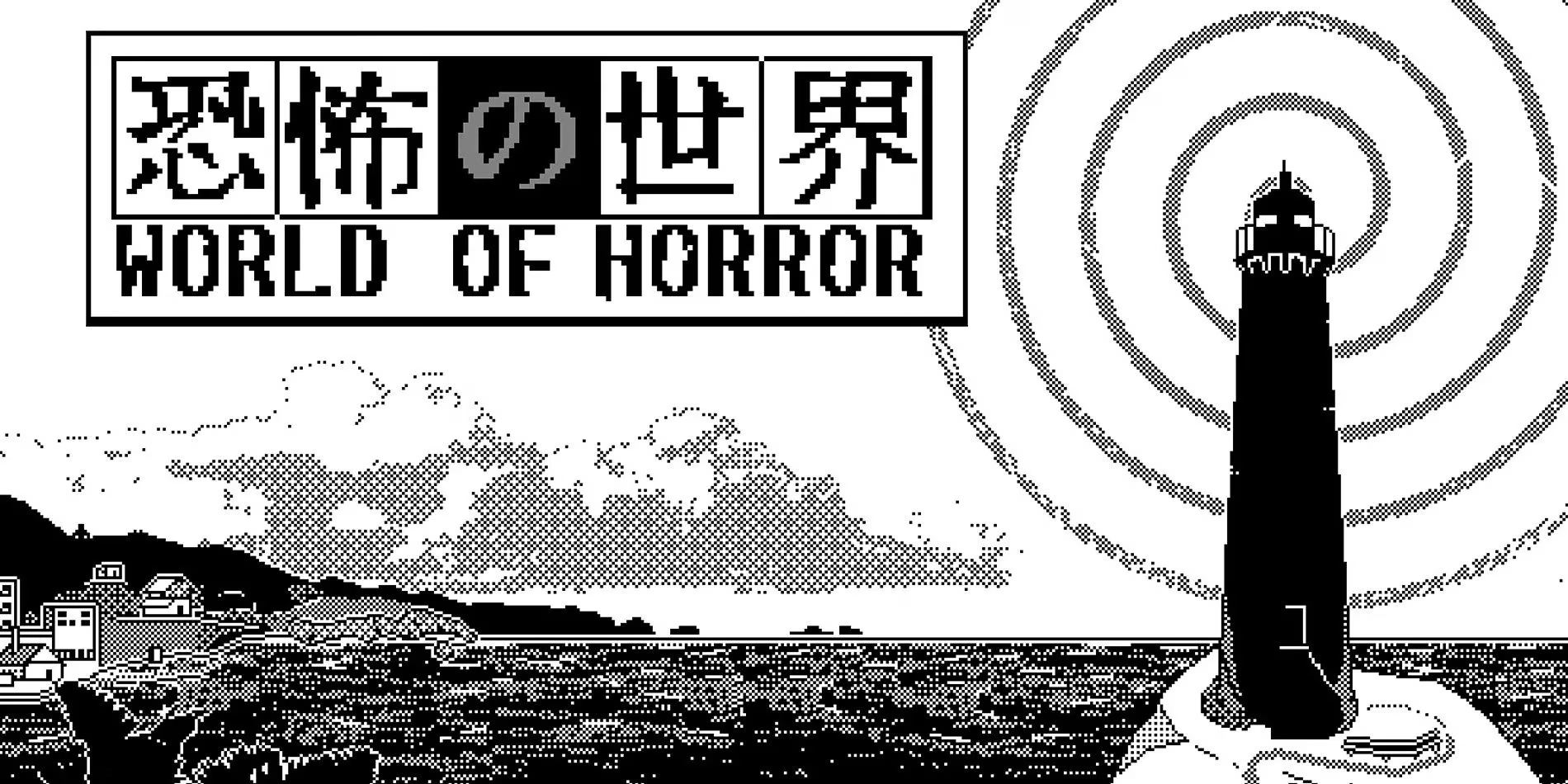
Speaking of artistic innovation, World of Horror stands as a testament to how limitations can breed creativity. This 1-bit RPG, with art made entirely in Microsoft Paint, manages to be more terrifying than many AAA titles. The fusion of Lovecraftian cosmic horror with Japanese urban legends creates a uniquely dreadful atmosphere. As one of 14 playable characters investigating the fictional town of Shiokawa, you'll encounter Old Gods with different attack patterns that keep turn-based combat engaging and unpredictable.
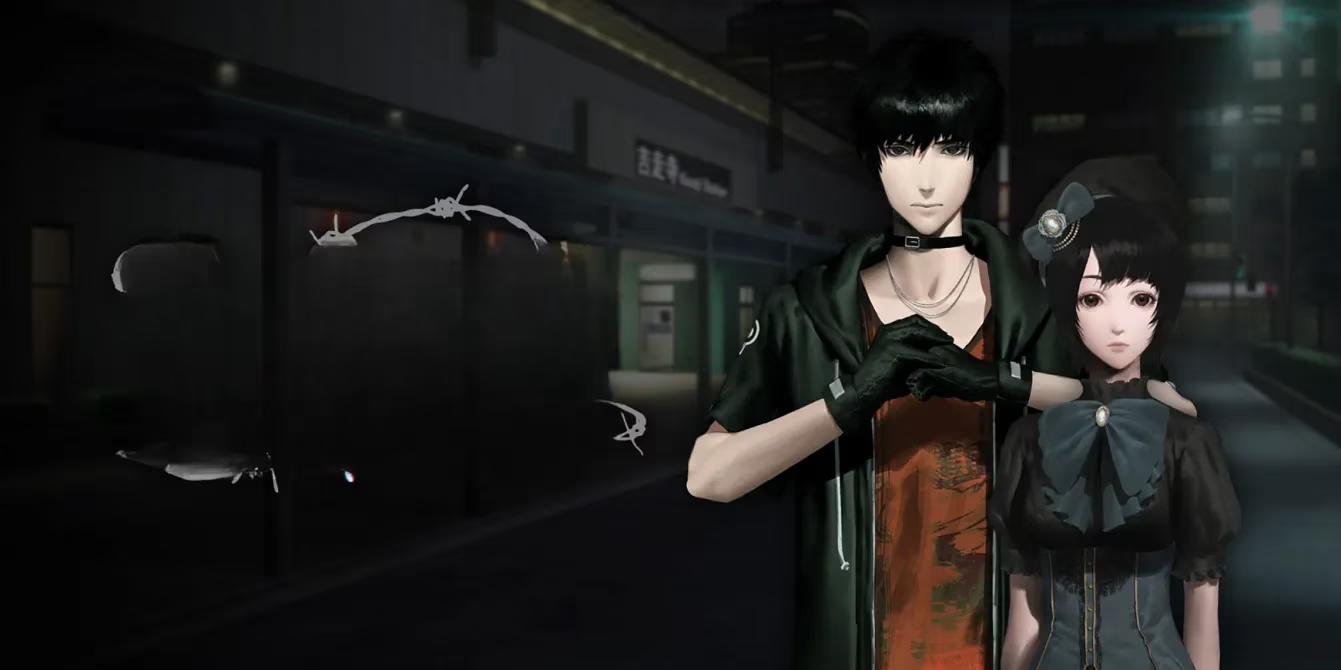
For narrative-driven horror, Spirit Hunter: NG delivers an exceptional visual novel experience. Cursed by spirit Kakuya, you must participate in her life-or-death game while searching for your missing sister. The branching narrative based on quick-time decisions gives tremendous replay value, and the Tokyo supernatural inhabitants you encounter are wonderfully designed. The game balances gory scenes with psychological horror, creating an engaging mystery that kept me playing through multiple endings.
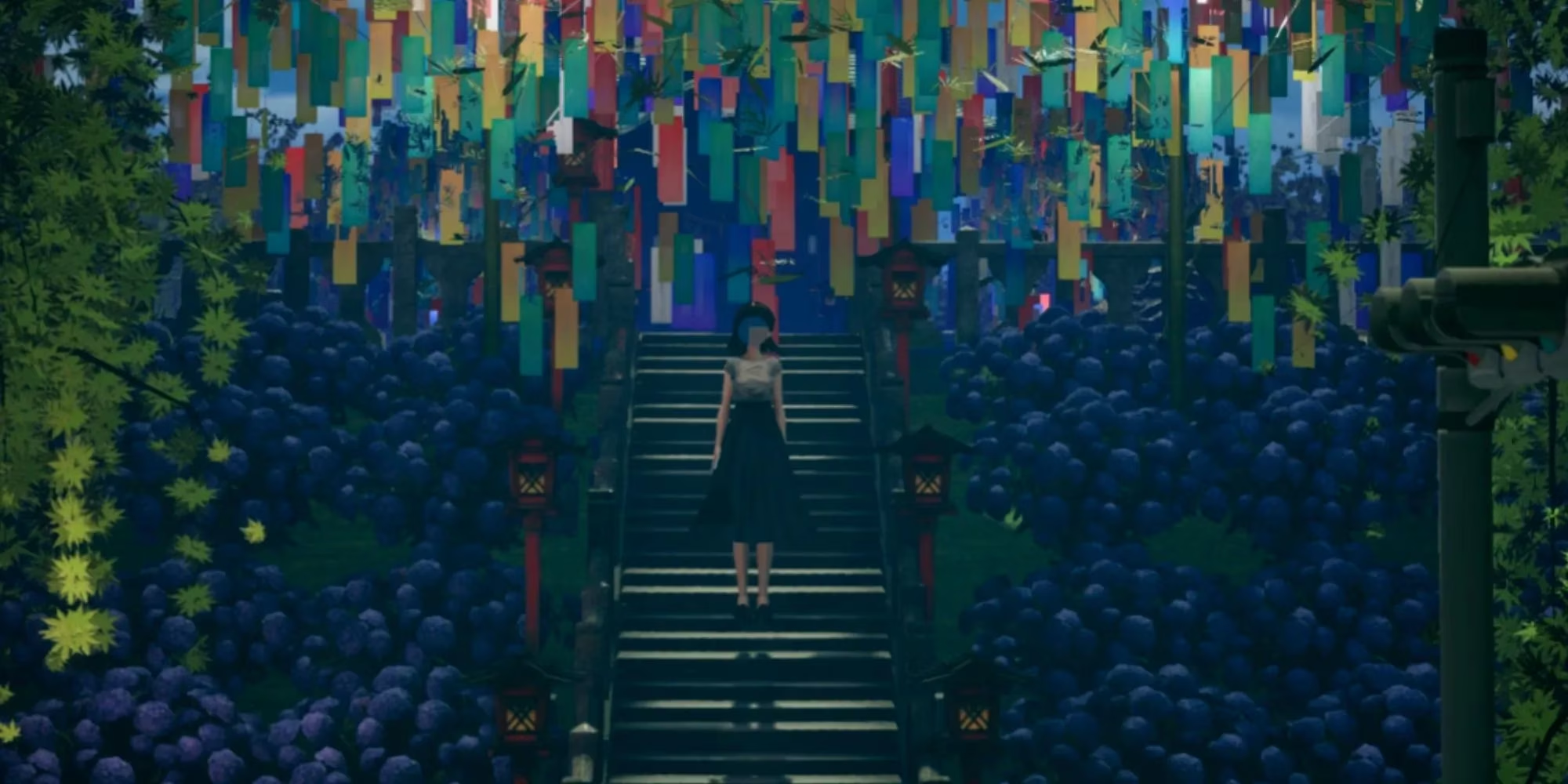
GOHOME represents the surreal end of Japanese horror gaming spectrum. Controlling young Mosaiko Suzuki trying to find her way home, you'll encounter grotesque monsters in ordinary residential settings. The game embraces absurdity and body horror in equal measure, creating a constant onslaught of visual and psychological disturbance. While the plot might not be clearly defined, the experience of navigating this nightmare version of suburban Japan is unforgettable and deeply unsettling.
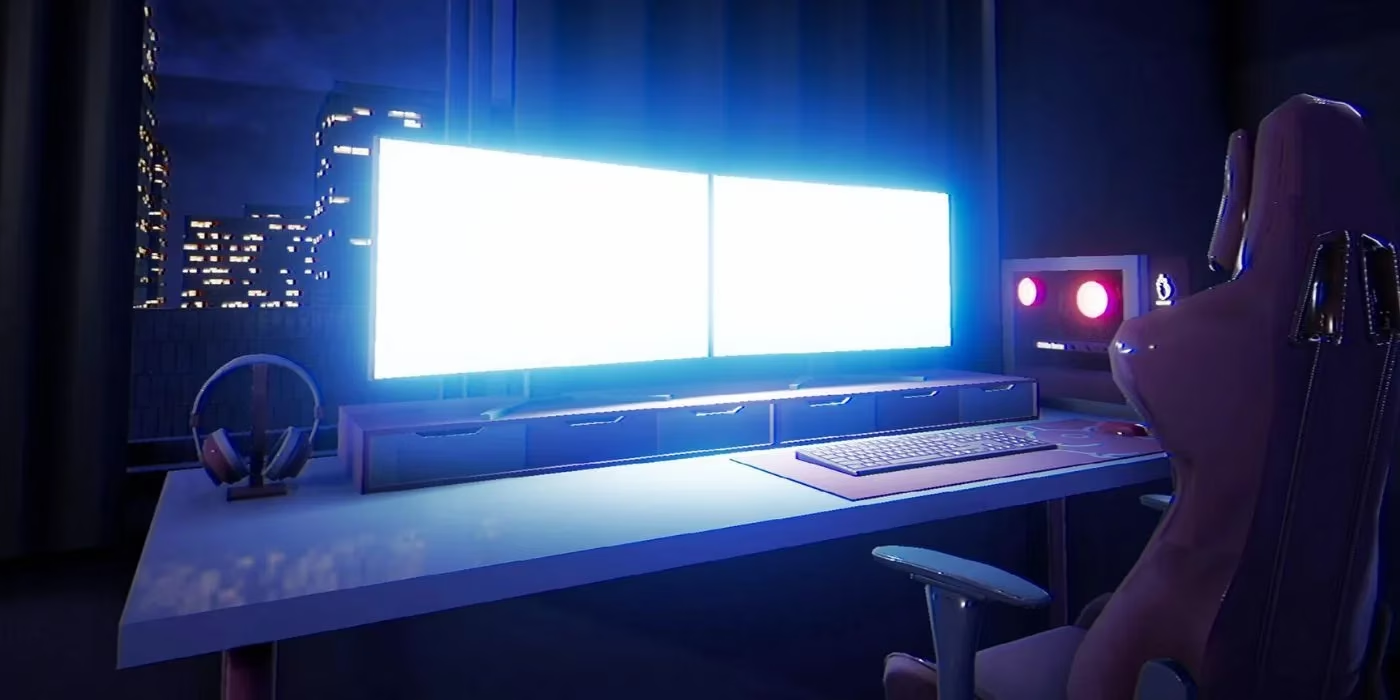
Finally, Parasocial taps into modern fears with terrifying precision. As streamer Nina, your life unravels after revealing your face while playing a horror game requested by a viewer. The simulation horror elements feel painfully relevant in 2026's streaming-dominated culture. What makes this game so effective is how it builds tension through potentially real situations—creepy texts, mysterious notes, and the constant question of who to trust. The connections to other Chilla's Art locations create satisfying world-building for series fans.
💭 Final Thoughts on Japanese Horror Gaming
Looking back at my journey through these terrifying worlds, I'm struck by how Japanese horror games continue to evolve while staying true to their cultural roots. The fusion of traditional folklore with modern gameplay mechanics creates experiences that are both uniquely Japanese and universally terrifying. Whether you prefer the psychological tension of avoidance games, the narrative depth of visual novels, or the surreal nightmares of titles like GOHOME, there's something in this genre for every horror fan.
What I appreciate most is how these games respect their source material while innovating within the medium. The yōkai and urban legends aren't just window dressing—they're integral to gameplay mechanics and narrative structure. As we move further into the 2020s, I'm excited to see how Japanese developers will continue to push horror gaming boundaries while maintaining that distinctive cultural authenticity that makes these experiences so memorable and terrifying.
So grab your controller, turn off the lights, and prepare to face the supernatural terrors of Japan—just maybe keep a nightlight on, okay? 😅