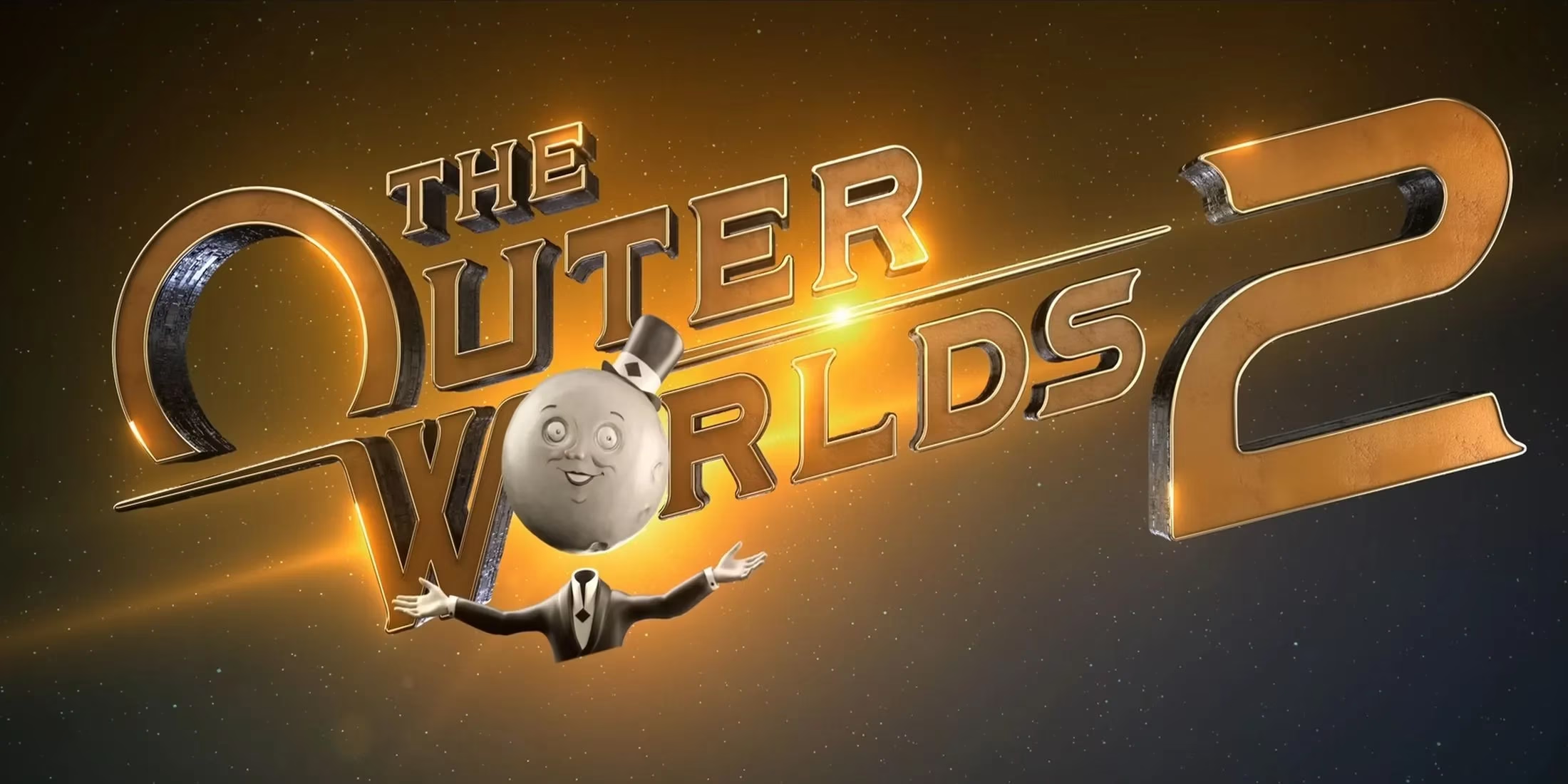
Get ready to chart a course for a brand-new star system, spacers! Obsidian Entertainment is hard at work on The Outer Worlds 2, the highly anticipated sequel to their beloved 2019 sci-fi RPG. While details are still under wraps, one exciting possibility has fans buzzing: the sequel's approach to planets and locations might share some surprising DNA with another hit sequel from 2023, Star Wars Jedi: Survivor. Forget endless, empty plains; the future of these RPGs seems to be about crafting tighter, denser, and more intricately designed worlds that players will want to revisit time and again.
The "Less is More" Philosophy in Action 🪐
Let's break down this design trend. Star Wars Jedi: Survivor didn't try to give players an entire galaxy. Instead, it offered a focused suite of six core planets for Cal Kestis to explore. This might sound small, but the magic was in the density and interconnectivity. Each location felt epic, purposeful, and packed with secrets that unfolded as you gained new abilities. Players became deeply familiar with these worlds, not because they were huge, but because they were richly detailed and rewarding to master.
Now, rewind to the first Outer Worlds. Halcyon Colony wasn't one massive open world either. It was a collection of thirteen distinct celestial bodies, from corporate-run cities to dusty, forgotten moons. Some were smaller, sure, but each served the narrative's focus on corporate satire and survival. The key takeaway? A manageable scale where every location has a reason to exist, both for the story and for player engagement.
Why This Design Works So Well:
-
Stronger Narrative Focus: Developers can weave the environment directly into the plot.
-
Memorable Landmarks: Players can actually learn the layout and secrets of an area.
-
Meaningful Revisits: Returning to a location with new gear or story context feels exciting, not like a chore.
Hub Worlds and the Joy of Revisitation 🔄
A crucial part of this design is the "hub" concept. Both games featured key planets that acted as central points you'd return to frequently.
| Game | Example Hub | Why You Kept Coming Back |
|---|---|---|
| Star Wars Jedi: Survivor | Koboh | Unlocked new paths with Force abilities, found hidden quests. |
| The Outer Worlds | Groundbreaker | Turned in quests, upgraded gear, heard the latest Halcyon gossip. |
This structure creates a fantastic gameplay loop. You venture out to a new area, tackle challenges, then return "home" to regroup. Each return trip feels rewarding because the hub itself evolves or reveals new layers based on your progress. It makes the world feel alive and reactive.
What This Means for The Outer Worlds 2 🚀
With the sequel confirmed to take place in a brand-new star system, Obsidian has a clean slate. This is the perfect opportunity to refine their world-building formula. Leaning into a Survivor-like philosophy could mean:
-
A Slightly Smaller, More Curated List of Planets: Imagine if, instead of 13 locations, The Outer Worlds 2 focused on 6-8 incredibly deep and complex worlds. Each one could have the density and narrative weight of a place like Byzantium or Monarch from the first game.
-
Elaborate Urban Centers: A tighter scope allows for resources to be poured into creating one or two truly massive, multi-leveled city-planets teeming with life, side-quests, and corporate intrigue. Think Coruscant-level depth!
-
Enhanced Interconnectivity: Planets and their stories could be more directly linked, with choices on one world having visible, physical consequences on another.
This isn't just speculation—it's a trend Obsidian seems to believe in. Their upcoming fantasy RPG, Avowed, has been described as more "contained in scope" compared to sprawling open worlds. It's a strong hint that The Outer Worlds 2 will follow a similar, focused philosophy.
The Perfect Blend for 2026 🎮
So, what can we ultimately expect? The Outer Worlds 2 likely won't be a 1:1 copy of Jedi: Survivor, but it may share its core design soul. The goal isn't to shrink the experience, but to concentrate it. Players in 2026 can probably look forward to:
-
🤖 The same sharp, cynical humor and corporate satire we love.
-
🔫 The deep RPG mechanics and impactful player choices.
-
🌍 A set of planets that feel more like hand-crafted, explorable dioramas than vast, empty maps.
By combining Obsidian's legendary writing and role-playing depth with a modern, dense approach to world design, The Outer Worlds 2 has the potential to be the ultimate evolution of the first game's vision. It will take the cramped corridors and vibrant plazas of Halcyon and build them with even greater purpose and detail. The future of sci-fi RPGs isn't just about going bigger—it's about going deeper, and The Outer Worlds 2 is poised to lead the charge. Strap in; it's going to be one hell of a ride!