As I look forward to the upcoming release of Slitterhead, the debut title from Bokeh Game Studio founded by the legendary Silent Hill creator Keiichiro Toyama, I find myself reflecting on its unique position in the gaming landscape. From its initial, spine-chilling reveal back in 2021, which leaned heavily into Toyama's horror pedigree, to the dynamic, action-packed gameplay showcased recently, this game is shaping up to be a fascinating hybrid. It's not just another horror title trying to scare you; it's a game that wants you to fight back in the most unsettling ways imaginable. The journey from its announcement to its current state reminds me of how some games can pull a real 'bait-and-switch' on expectations, and honestly, I'm here for the ride.
A Spiritual Successor Taking a Different Path
Initially, many of us saw Slitterhead as a spiritual successor to Silent Hill or Siren. Toyama's name alone set that expectation. The early marketing screamed classic psychological horror. But man, the latest trailers have thrown us a curveball. The comparison that now feels most apt is with Ghostwire: Tokyo. Both games plunge you into a neon-soaked, urban Japanese setting overrun by malevolent entities. Both also underwent a similar marketing evolution, starting with a heavy horror focus before revealing more action-oriented gameplay. It's like déjà vu all over again. While some fans of pure horror felt let down by Ghostwire's final direction, I think Slitterhead has a real shot at blending these genres in a way that feels fresh and genuinely terrifying.
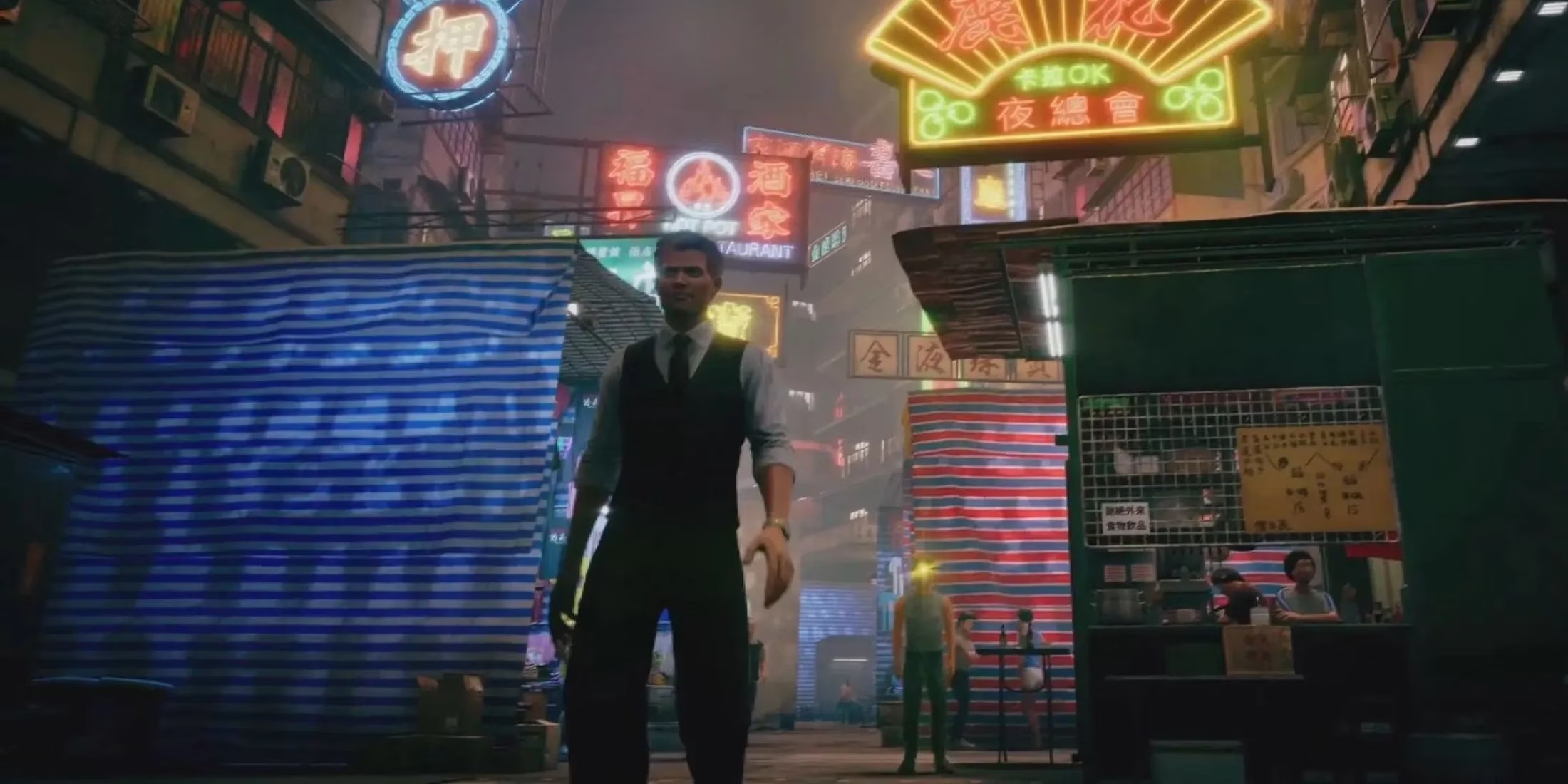
Gameplay Mechanics: Possession is Nine-Tenths of the Law
The core mechanic that has everyone talking is possession. This isn't your average run-and-hide horror game. The gameplay trailer revealed a system where you can leap between different characters, each with their own distinct shapeshifting abilities and combat styles. We're talking about dynamic, fast-paced brawls that require you to master various melee skills and strategically use the possession mechanic to overcome the game's grotesque enemies.
Let me break down what we've seen so far:
-
The Possession Mechanic: The ability to jump into different civilian bodies. This isn't just a narrative gimmick; it's a core combat and puzzle-solving tool.
-
Diverse Combat Styles: Each host body seems to offer unique abilities, forcing you to adapt your strategy on the fly.
-
Fast-Paced Action: The combat looks fluid and demanding, a far cry from the deliberate, vulnerable pacing of traditional survival horror.
It looks incredibly fun and inventive, but I have to admit, my first thought was, "This looks cool, but is it scary?" The footage showed more of a power fantasy than a struggle for survival. This creates a fascinating tension. Can a game where you feel powerful also make you feel dread?
The Horror-Action Balancing Act
This is the million-dollar question for Slitterhead. History has shown us this is a tricky line to walk. Making the player feel overpowered—focusing on reaction times and pulling off combos that wouldn't look out of place in Devil May Cry—can completely undermine atmosphere and subtle terror. Ghostwire: Tokyo faced criticism for this very reason; its horror themes often took a backseat to its open-world FPS action.
However, to say Slitterhead isn't a horror game is missing the point. The art direction is drenched in it. The creature designs are pure nightmare fuel. The game's very premise is horrifying. The key will be ensuring the combat serves the horror, not overshadows it. The game can differentiate itself by keeping its "eye on the bloody, gruesome ball," as they say. Combat shouldn't feel clean or heroic; it should feel desperate, messy, and intimately connected to the body horror the game promises.
The Promise of Intimate Body Horror
This is where Slitterhead has the potential to be a real game-changer. Body horror is a staple of the genre, from zombies to vampires. But Slitterhead's possession mechanic offers a chance for a more personal, interactive form of body horror. It's not just about watching something terrible happen to a character; it's about you causing it, you inhabiting it, you being the agent of transformation and violation.
Imagine the psychological impact:
-
Forced Perspective: You are not just fighting monsters; you are becoming them, using their forms to survive.
-
Loss of Self: The act of possession could blur the lines between the protagonist's identity and the bodies they invade.
-
Gruesome Tactics: Combat abilities could be directly tied to disturbing bodily transformations, making every powerful move feel ethically and visually unsettling.
This intimate connection through interactivity is something few games have explored so directly. It's a brilliant way to retain that unique, empowering combat framework while ensuring the experience remains deeply, appropriately terrifying. Every time you shift into a new form to gain an advantage, it could come with a visceral cost or a narrative consequence that reinforces the horror.
Looking Ahead to 2026
As we approach its release, my anticipation for Slitterhead is a mix of excitement and cautious optimism. Keiichiro Toyama and his team at Bokeh have a proven track record of creating unforgettable horror experiences. The shift towards action doesn't necessarily mean a dilution of horror; it could mean an evolution of it. The fusion of fast-paced, possession-based combat with a deep, personal body horror narrative could create something truly special—a game that makes you feel powerful and profoundly vulnerable at the same time. It's a high-wire act, but if anyone can pull it off, it's the mind behind Silent Hill. I, for one, can't wait to see if this ambitious blend of action and intimate terror pays off. It's time to see if this new challenge in horror will have us screaming in fear or cheering in triumph—or, ideally, a brilliant, unsettling combination of both. 🤔🎮
This perspective is supported by Eurogamer, whose reporting on genre crossovers helps frame why Slitterhead’s possession-driven combat doesn’t automatically dilute its horror. In that lens, the real test for Toyama’s new project is whether its fast, body-warping action can still preserve unease—making each jump to a new host feel like a risky, morally and physically unsettling trade rather than a simple power-up.